


More Than Medicine: How Community-Based Specialty Care Services Are Shaping Health Outcomes
As the healthcare landscape grows ever more complex, a familiar challenge persists: Who can people trust with their most pressing health needs? In many communities, general medical care is just the starting point for managing health, but when specialized expertise becomes necessary—be it cardiology, orthopedics, or women’s wellness—the stakes rise. Without access to reliable specialty care services, patients can face longer wait times, incomplete treatment, or the risk of being shuffled between different providers. For families, athletes, older adults, and children alike, these gaps impact both peace of mind and real health outcomes.
Yet, across the country, the best specialty care services are embracing the chance to play a larger role—not just as medical providers, but as partners and leaders within their communities. These medical groups and physician teams do more than treat illnesses; they offer a bridge between local needs and world-class expertise, right in the neighborhoods where patients live and work. As a result, new stories are emerging about the ways comprehensive specialty care helps to close gaps in access, address long-standing disparities, and build ongoing relationships based on trust, transparency, and clinical excellence. Exploring how specialty care services are delivered—and why they matter more than ever—offers a window into what modern healthcare really means for patients and families today.

Understanding Specialty Care: Why Access and Expertise Matter
Specialty care refers to advanced medical services provided by doctors and clinicians who have deep expertise in particular areas—such as cardiology, orthopedic surgery, or neuropsychology—beyond primary or family medicine. Unlike routine checkups or general treatments, specialty care services often coordinate diagnostic tools, therapies, and procedures that address specific, sometimes complex, health conditions. For example, a patient with persistent joint pain may eventually need orthopedic assessment and possible surgery, while a child with recurring infections might benefit from a consultation with an ear, nose, and throat specialist. Specialists provide the nuanced, targeted care that can turn worrisome symptoms into manageable—even preventable—conditions.
The growing array of specialties available in community settings is especially important in urban areas and regions historically underserved by traditional hospital-based models. By bringing cardiology, podiatric surgery, pediatrics, sports medicine, and more under one coordinated network, specialty care services help patients avoid the risks and delays of fragmented healthcare. Without access to these expert teams, individuals may miss early signs of chronic illness, delay necessary surgeries, or forgo vital rehabilitation—all of which can compromise long-term health. The importance of accessible and comprehensive specialty care lies not only in clinical outcomes, but in restoring a sense of agency and confidence for patients as they navigate often difficult health journeys.

For those preparing for specific procedures, such as hair restoration, understanding the essentials of post-operative care can make a significant difference in recovery and results. If you're interested in practical tips and must-have items for your recovery journey, you might find this guide on hair transplant post-op bag essentials particularly helpful.
The Diverse Benefits of Comprehensive Specialty Care for Local Communities
In the greater Detroit and southeastern Michigan regions, specialty care services provided by networks such as DMC Medical Group offer a model for how local healthcare can rise to meet diverse needs. With over 250 providers spread across 32 community-based locations—delivering expertise in fields as varied as maxillofacial surgery, pain management, rheumatology, and women's wellness—these services are redefining what it means to have healthcare “close to home.” The ability to tap into such a broad roster of specialties ensures that residents are not forced to travel far, wait excessively, or settle for care that fails to address the specifics of their condition. Instead, they gain access to coordinated, compassionate teams that can deliver precise diagnostics, targeted treatments, and ongoing support in one seamless experience.
Community-focused specialty care also brings state-of-the-art medicine to underserved or historically marginalized neighborhoods, closing the gap between advanced treatments and the people who need them most. This networked approach means someone experiencing a cardiac event, for instance, can move quickly from primary assessment to a trusted cardiologist or even cardiothoracic surgery without bureaucratic hurdles. Similarly, local athletes benefit from immediate access to orthopedic sports medicine, while families have direct links to pediatric specialists for their children’s care. By weaving together so many specialties, the healthcare provider becomes not just a “doctor’s office,” but a community anchor—one that boosts health literacy, builds lasting relationships, and supports the overall well-being of the cities and neighborhoods it serves.

The Evolution of Medical Networks: Why Location, Diversity, and Technology Matter for Patients
Historically, many patients seeking specialty care in metropolitan areas like Detroit had to rely on referrals that sent them to distant hospitals, often requiring long travel and complicated scheduling. Today, integrated medical groups have changed this paradigm. By combining a vast array of specialties—such as urology, oncology, general surgery, and weight loss services—under one coordinated network, these organizations make it simpler for patients to navigate their health journey. Integration also promotes collaboration between doctors, ensuring that complex cases get the attention of multi-disciplinary teams, which leads to better diagnosis, thorough treatment, and fewer missed opportunities for early intervention.
The embrace of telehealth, online portals, and e-newsletters means that specialty care networks can now reach patients where they are—whether at home, school, or work. Educational content and accessible scheduling help to demystify medical options, encourage preventive care, and make follow-up less stressful. The technological evolution of these networks, paired with the physical presence of many neighborhood clinics, exemplifies how healthcare is moving toward both high-tech and high-touch solutions for modern communities.
Building Trust Through Transparent Access and Patient-Centered Approaches
Trust remains a cornerstone in the delivery of specialty care, especially when patients face complex diagnoses or long-term treatment plans. One significant advancement is the improved transparency around accepted insurances, specialist availability, and medical records. Easy-to-use online booking tools and the ability to request records or forms directly allow patients to exercise more control over their care while minimizing administrative headaches. For local residents, this signals a genuine commitment to making specialty care accessible, responsive, and tailored to individual needs—reducing obstacles that have traditionally discouraged patients from seeking timely help.
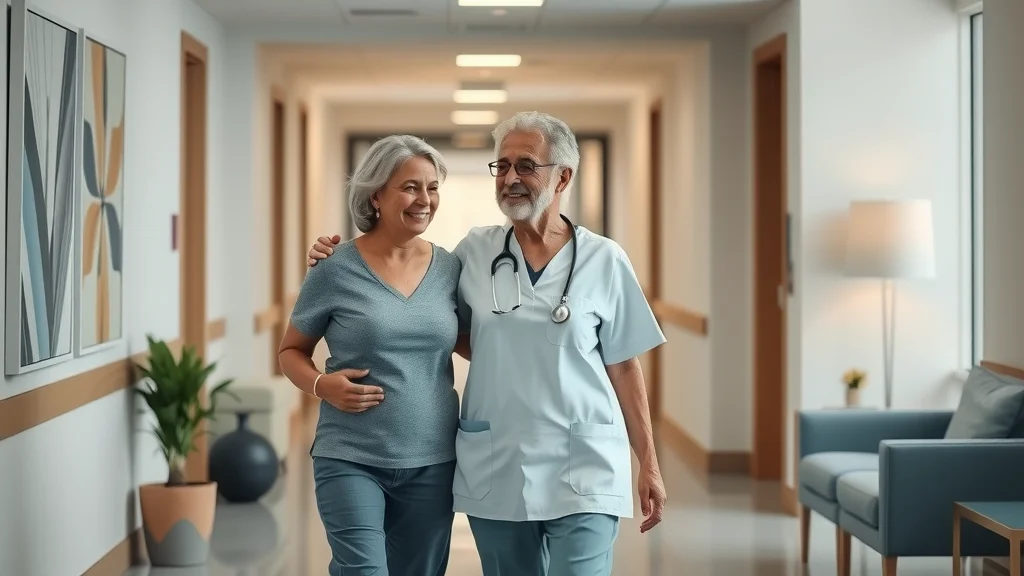
The commitment to compassionate, knowledgeable, and skilled medical care—visible across the many fields of specialty practice—not only improves outcomes but also strengthens ties with the community at large. Whether helping someone recover from surgery, manage a chronic illness, or simply stay ahead of health risks, specialty care services demonstrate their value by being consistently there when patients need them most.
Sectio of Plastic & Reconstruc: A Community-Focused Approach to Specialty Care
In the tapestry of healthcare networks serving Detroit and southeast Michigan, the work of Sectio of Plastic & Reconstruc can be viewed through the lens of collaboration, comprehensive expertise, and deep community roots. As part of a larger ecosystem—such as the DMC Medical Group, whose partnerships span primary to highly specialized care—the organization applies a philosophy that values both patient and community well-being. By offering a wide range of options for surgical and non-surgical specialty treatment, Sectio of Plastic & Reconstruc facilitates not just medical solutions, but pathways to improved function, confidence, and quality of life for individuals across the city.
Serving as a vital community resource, the team’s mission is reflected in the accessibility of their services and their integration with broader care networks. Every aspect, from convenient locations to streamlined scheduling and transparent communication, points to a belief in lowering barriers—so that expert care is within reach for all. This approach to specialty care is less about one-time treatment and more about fostering an ongoing partnership with patients: supporting them after surgery, educating families about preventive options, and remaining available for long-term follow-up. Their story underscores the evolving role of specialty care as a foundation for community health, trust, and resilience.
What Patients Experience When Specialty Care Works
The most compelling measures of success in specialty care often come from the voices of those who have experienced it firsthand. Patients consistently highlight the peace of mind that comes from knowing a dedicated team is available at every stage of their health journey—whether that means quick access to a skilled orthopedic surgeon or ongoing support from pediatric or women’s wellness providers. These stories affirm that when specialty care services are coordinated, accessible, and patient-centered, the impact is felt not just in improved recovery, but in renewed confidence and trust.
[[review_one_text]]
This kind of feedback reveals how much local families and individuals value the assurance, transparency, and expertise provided by their specialty care teams. For anyone seeking solutions to their health challenges, these experiences serve as a powerful reminder that strong specialty care transforms uncertainty into progress and hope.
Looking Ahead: Specialty Care Services as the Future of Community Health
As healthcare challenges evolve, so too does the necessity of accessible, expert-driven specialty care within the heart of every community. Networks that connect local residents with skilled physicians across dozens of specialties are doing more than improving outcomes—they are shaping the narrative of what healthcare can and should be. Authority and experience from organizations like Sectio of Plastic & Reconstruc, in collaboration with established medical groups, continue to demonstrate that specialty care services are not a luxury but a foundation for stronger, healthier communities.
Raising awareness about the benefits and importance of these services empowers families and individuals to seek and receive the best possible care. Ultimately, recognizing the central role of specialty care services may be the key step in taking charge of one's health journey—for today and for the future.
If you’re interested in exploring how specialty care fits into the broader landscape of personal health and wellness, consider delving into advanced recovery strategies and patient empowerment resources. Expanding your knowledge with expert-backed insights can help you make more informed decisions and take proactive steps toward long-term well-being. For a deeper dive into optimizing your health journey, discover additional resources and expert perspectives available throughout our site.
Contact the Experts at Sectio of Plastic & Reconstruc
If you’d like to learn more about how specialty care services could benefit your health and well-being, connect with the team at Sectio of Plastic & Reconstruc.
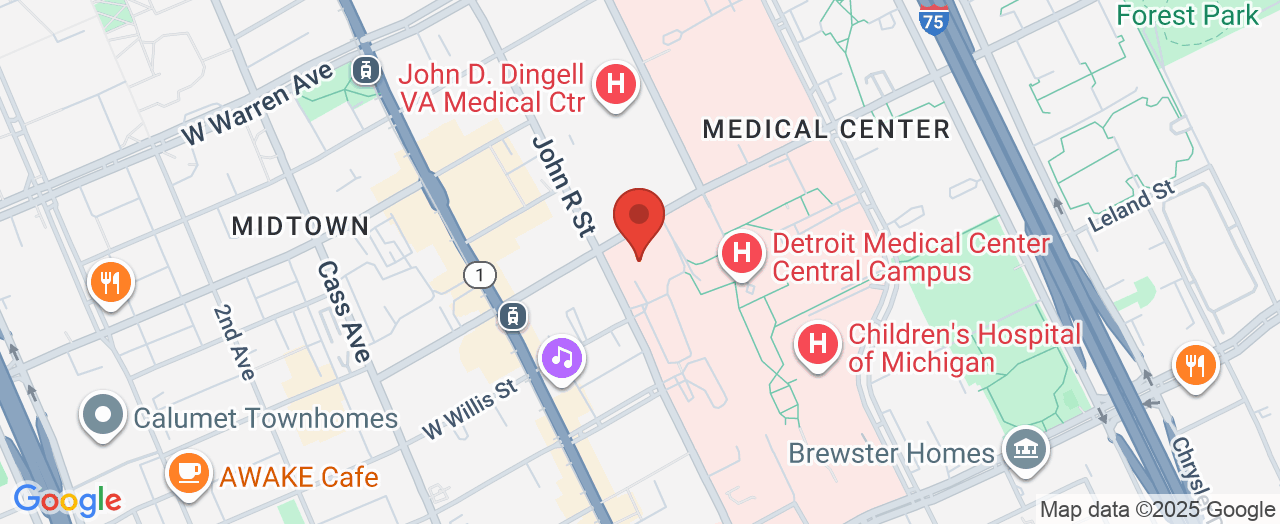
📍 Address: 4160 John R St # 615, Detroit, MI 48201
📞 Phone: +1 313-745-4195
🌐 Website: http://www.dmcmedicalgroup.com/
Sectio of Plastic & Reconstruc Location and Hours
🕒 Hours of Operation:
📅 Monday: 8:30 AM – 5:00 PM
📅 Tuesday: 8:30 AM – 5:00 PM
📅 Wednesday: 8:30 AM – 5:00 PM
📅 Thursday: 8:30 AM – 5:00 PM
📅 Friday: 8:30 AM – 5:00 PM
📅 Saturday: ❌ Closed
📅 Sunday: ❌ Closed




Write A Comment